Homepage Bureau Culturel Genève
Opening times:
Mo–Sa: 12:30–6:30 pm
Return of equipment:
Mo–Sa: 12:30–1:30 pm
Closed/Free days
Boost your creative projects!
News
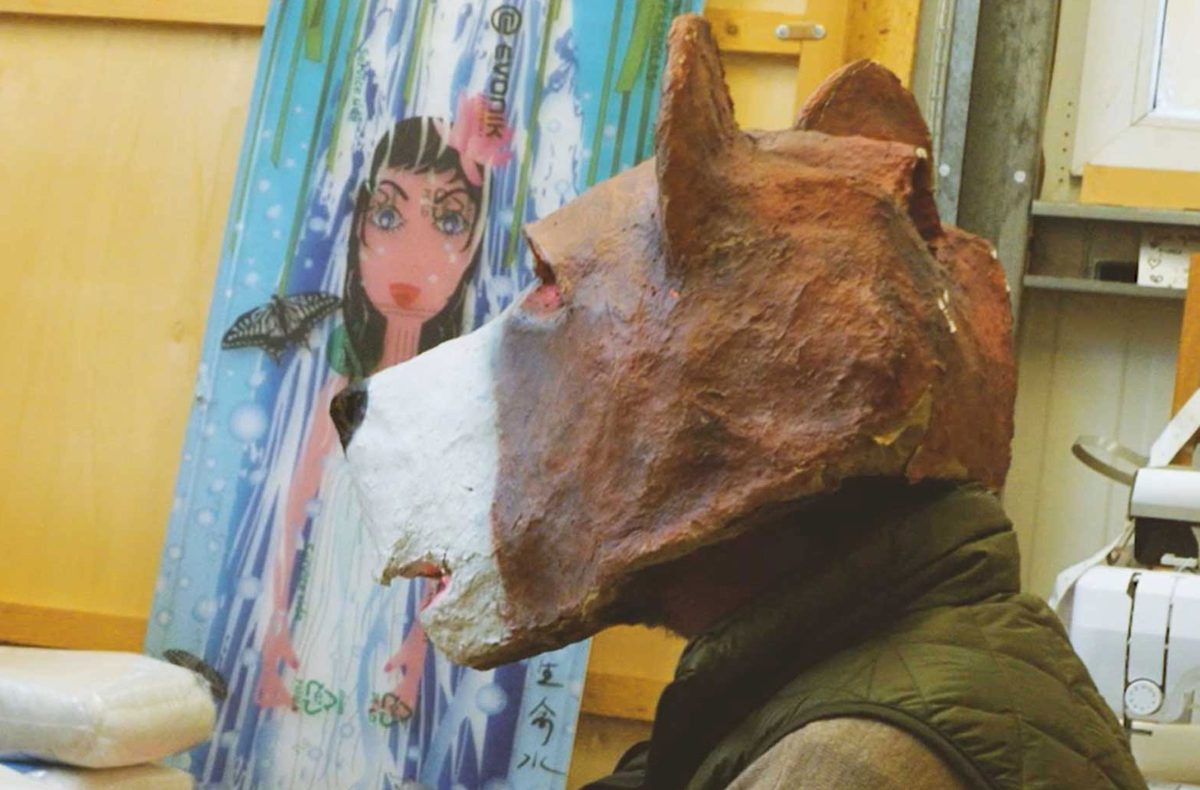
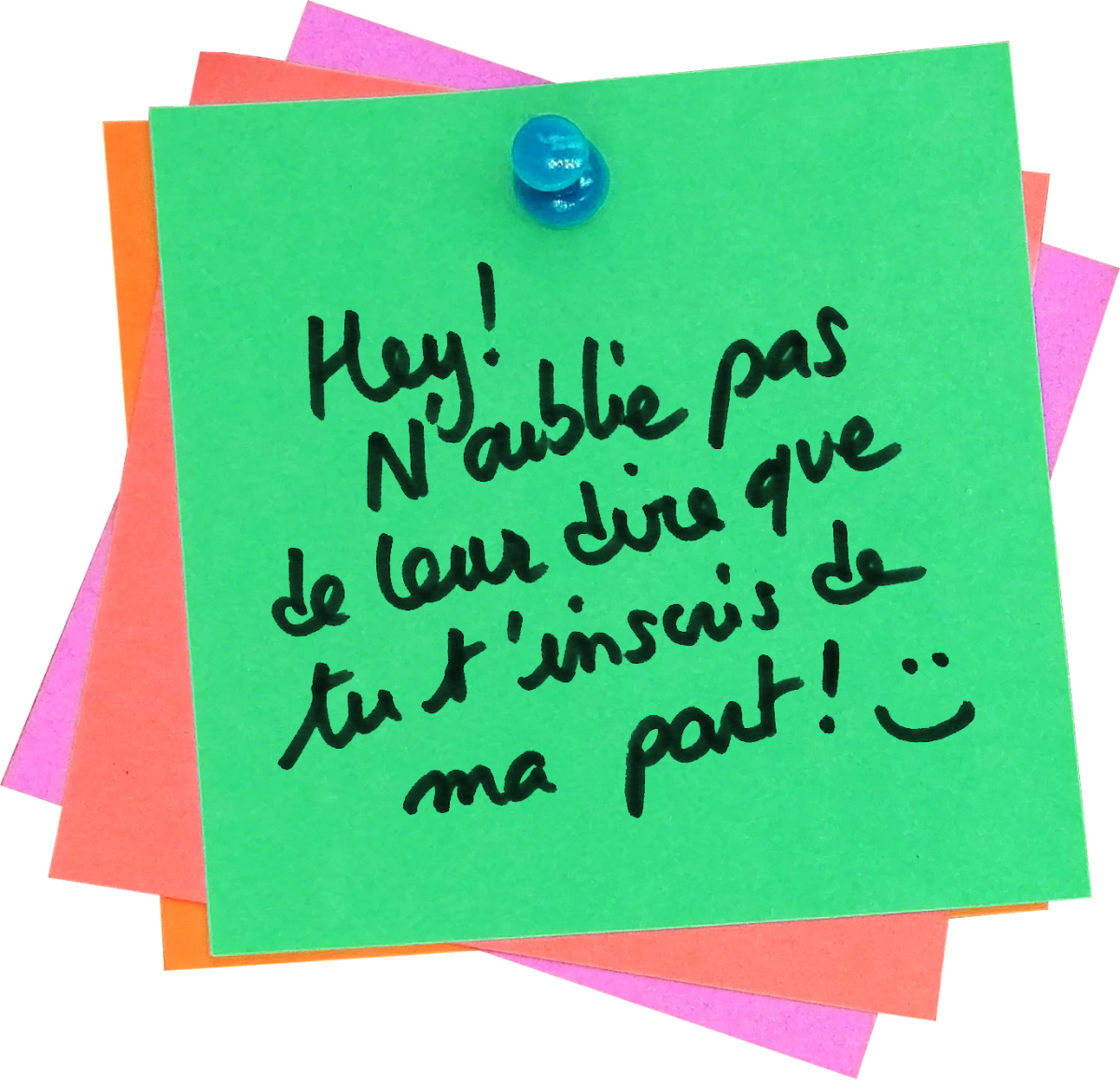


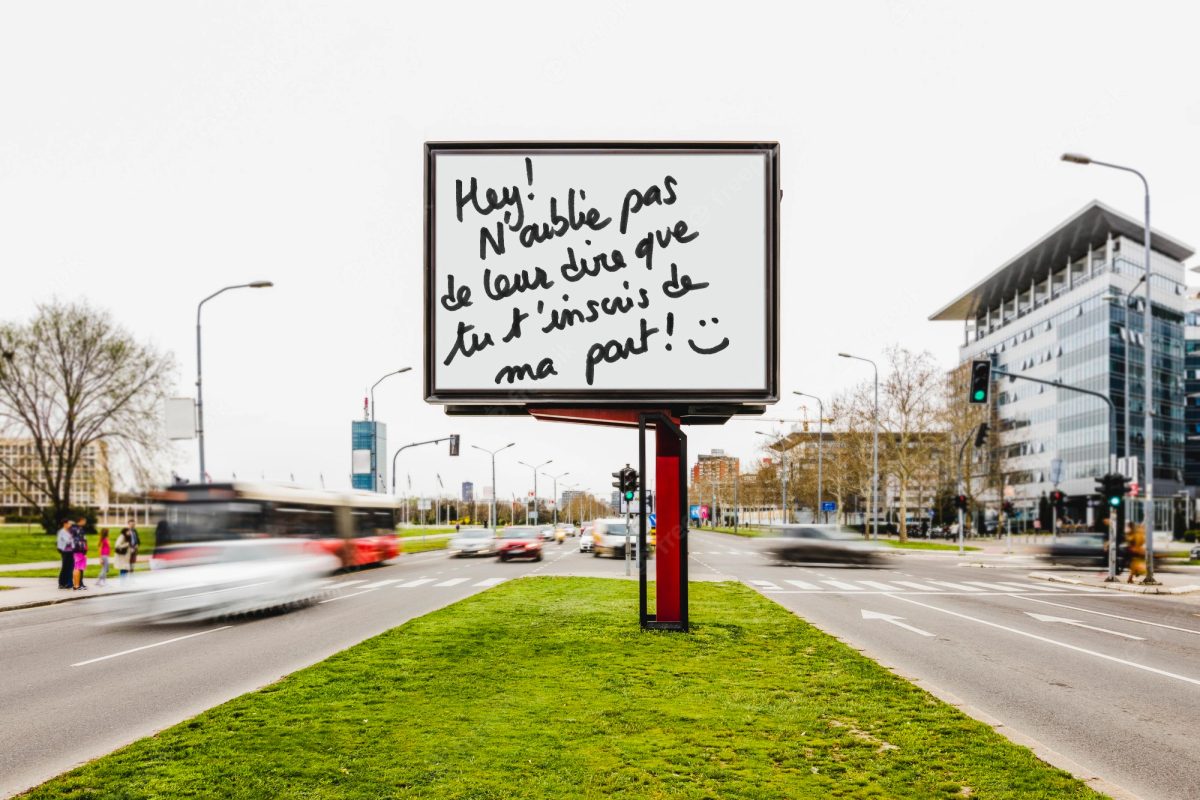


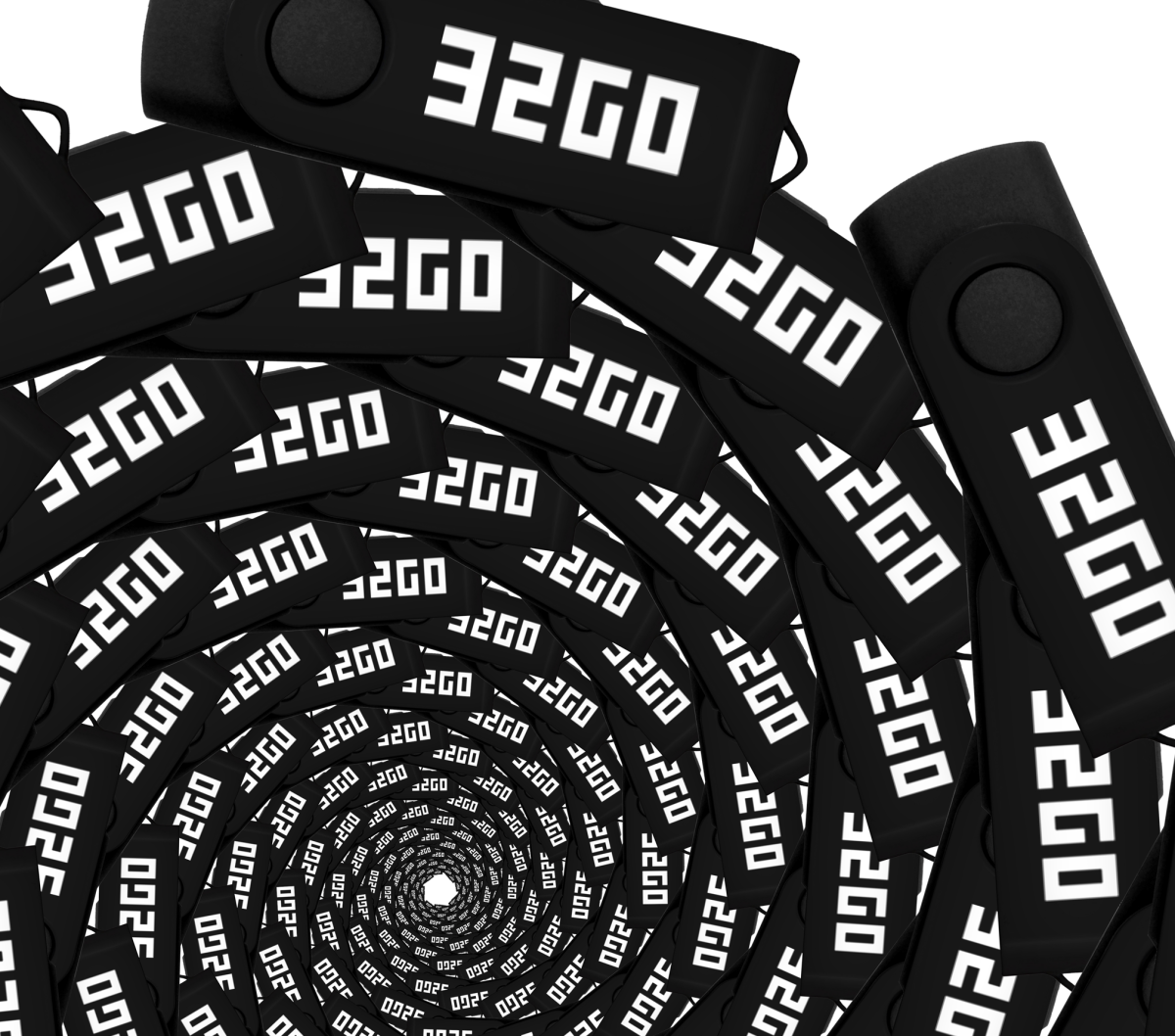
Vitor Oliveria
Ohne Titel
Vitor Oliveria is a Portuguese photographer that has a flair for analog photography. His natural excitement and creativity drew him closer to the art form of photography, immersing himself into connecting various motives and techniques, drawing into focus the social and cultural structures that affect the representation of the human form.
Inta: @vick_bw
Marlo Karlen
Gustave
Born in 1997, Marlo Karlen lives in Geneva, Switzerland. He lives in a small apartment not too far from the lake, above a wonderful little restaurant, with three late-night grocery stores nearby. He studied for three years at the Swiss Literary Institute, where he earned his Bachelor's degree in 2023. Writing makes him feel at peace. And when he feels at peace, he sees life with gentleness. Like a Sunday morning. If he could, every day would be Sunday.
«Gustave» is a French novel about leaving. Together with his partner, Salomé, the narrator makes the life-changing decision to leave Geneva for Barcelona. The move also means parting with his pet crocodile, Gustave, who has been by his side since adolescence. Gustave is timid and clumsy, unable to cope with the crowds on the tram or the sudden changes in temperature inside shops. Together, they love those moments when the sun softens over the Rhône, when time drifts by without needing to be filled, and when they do nothing but daydream.
Eva Mirror
Unexpected
Abstractions from emotions, what we cannot explain with words but it could fill up the soul.
Hello I am Eva Maria Espejo aka Eva Mirror, a Visual Artist and Designer based since 2014 in Switzerland. I am born in Barcelona and then lived in several places as Madrid, Sevilla, Brighton, Buenos Aires, Torino and Berlin, first started to study Sociology interested in art, cultures and ethnology but soon I saw the desire of creation by means of investigation.
My paintings and Illustration are mostly animals and portraits, I listened once that my works are a mix between Pop, Surrealism, Naive Art, Psychedelic, Magic realism and Avant-garde. As Digital Artist I am working since 2010 and as Graphic Design I made experience in Editorial, Magazines and Illustration. I’ve taught Art for Primary and Secondary school as complementary activity using personal tools for the creative own knowledge and development as therapy or simply as way to start learning arts.
Eva Mirror
Unexpected
Abstractions from emotions, what we cannot explain with words but it could fill up the soul.
Hello I am Eva Maria Espejo aka Eva Mirror, a Visual Artist and Designer based since 2014 in Switzerland. I am born in Barcelona and then lived in several places as Madrid, Sevilla, Brighton, Buenos Aires, Torino and Berlin, first started to study Sociology interested in art, cultures and ethnology but soon I saw the desire of creation by means of investigation.
My paintings and Illustration are mostly animals and portraits, I listened once that my works are a mix between Pop, Surrealism, Naive Art, Psychedelic, Magic realism and Avant-garde. As Digital Artist I am working since 2010 and as Graphic Design I made experience in Editorial, Magazines and Illustration. I’ve taught Art for Primary and Secondary school as complementary activity using personal tools for the creative own knowledge and development as therapy or simply as way to start learning arts.
Eva Mirror
Unexpected
Abstractions from emotions, what we cannot explain with words but it could fill up the soul.
Hello I am Eva Maria Espejo aka Eva Mirror, a Visual Artist and Designer based since 2014 in Switzerland. I am born in Barcelona and then lived in several places as Madrid, Sevilla, Brighton, Buenos Aires, Torino and Berlin, first started to study Sociology interested in art, cultures and ethnology but soon I saw the desire of creation by means of investigation.
My paintings and Illustration are mostly animals and portraits, I listened once that my works are a mix between Pop, Surrealism, Naive Art, Psychedelic, Magic realism and Avant-garde. As Digital Artist I am working since 2010 and as Graphic Design I made experience in Editorial, Magazines and Illustration. I’ve taught Art for Primary and Secondary school as complementary activity using personal tools for the creative own knowledge and development as therapy or simply as way to start learning arts.
Eva Mirror
Unexpected
Abstractions from emotions, what we cannot explain with words but it could fill up the soul.
Hello I am Eva Maria Espejo aka Eva Mirror, a Visual Artist and Designer based since 2014 in Switzerland. I am born in Barcelona and then lived in several places as Madrid, Sevilla, Brighton, Buenos Aires, Torino and Berlin, first started to study Sociology interested in art, cultures and ethnology but soon I saw the desire of creation by means of investigation.
My paintings and Illustration are mostly animals and portraits, I listened once that my works are a mix between Pop, Surrealism, Naive Art, Psychedelic, Magic realism and Avant-garde. As Digital Artist I am working since 2010 and as Graphic Design I made experience in Editorial, Magazines and Illustration. I’ve taught Art for Primary and Secondary school as complementary activity using personal tools for the creative own knowledge and development as therapy or simply as way to start learning arts.
Kunstkiosk St.Gallen
15 Years of Kunstkiosk
Kunstkiosk St. Gallen
Saturday, August 22 to Saturday, October 17 2026
Closing event: Saturday, October 17 2026
15 Years of Kunstkiosk
In 2026, Kunstkiosk St. Gallen celebrates its 15th anniversary. It was founded in 2011 as part of a design class at Kantonsschule am Burggraben and continued as a self-organized collective. Since then, Kunstkiosk has presented numerous artists, organized exhibitions and events, and repeatedly found new locations and formats to make art accessible in St. Gallen.
The exhibition at the Kulturbüro offers a small glimpse into this 15-year history and builds anticipation for the major anniversary exhibition. On display are, among other things, a model of the former Kunstkiosk at Rorschacherstrasse, postcards, and a compilation of archival material. The exhibition shows how Kunstkiosk has evolved over the years while continually being carried forward and shaped by new people.
The major anniversary exhibition will open on September 12, 2026, as part of Museumsnacht St. Gallen, and will then be on display for one month.
Kunstkiosk St.Gallen
15 Years of Kunstkiosk
Kunstkiosk St. Gallen
Saturday, August 22 to Saturday, October 17 2026
Closing event: Saturday, October 17 2026
15 Years of Kunstkiosk
In 2026, Kunstkiosk St. Gallen celebrates its 15th anniversary. It was founded in 2011 as part of a design class at Kantonsschule am Burggraben and continued as a self-organized collective. Since then, Kunstkiosk has presented numerous artists, organized exhibitions and events, and repeatedly found new locations and formats to make art accessible in St. Gallen.
The exhibition at the Kulturbüro offers a small glimpse into this 15-year history and builds anticipation for the major anniversary exhibition. On display are, among other things, a model of the former Kunstkiosk at Rorschacherstrasse, postcards, and a compilation of archival material. The exhibition shows how Kunstkiosk has evolved over the years while continually being carried forward and shaped by new people.
The major anniversary exhibition will open on September 12, 2026, as part of Museumsnacht St. Gallen, and will then be on display for one month.
Kunstkiosk St.Gallen
15 Years of Kunstkiosk
Kunstkiosk St. Gallen
Saturday, August 22 to Saturday, October 17 2026
Closing event: Saturday, October 17 2026
15 Years of Kunstkiosk
In 2026, Kunstkiosk St. Gallen celebrates its 15th anniversary. It was founded in 2011 as part of a design class at Kantonsschule am Burggraben and continued as a self-organized collective. Since then, Kunstkiosk has presented numerous artists, organized exhibitions and events, and repeatedly found new locations and formats to make art accessible in St. Gallen.
The exhibition at the Kulturbüro offers a small glimpse into this 15-year history and builds anticipation for the major anniversary exhibition. On display are, among other things, a model of the former Kunstkiosk at Rorschacherstrasse, postcards, and a compilation of archival material. The exhibition shows how Kunstkiosk has evolved over the years while continually being carried forward and shaped by new people.
The major anniversary exhibition will open on September 12, 2026, as part of Museumsnacht St. Gallen, and will then be on display for one month.
Kollektiv Beton
SKIES 2022
SKIES ist ein rauschender Fluss an Bildern und Klängen, ohne Anfang und ohne Ende. Die begehbare Videoinstallation nimmt die Besucher:innen mit auf eine Reise durch vertraute Umgebungen, die zu fernen Galaxien werden. Der 30-minütige Loop wird im Liegen betrachtet – inmitten einer Klangkomposition, die sich über sechzehn Kanäle zu einem dreidimensionalen akustischen Raum entfaltet.
Videoinstallation 30min, Loop
16-Kanal Audio
8 x 8 x 4m Konstruktion
Ein Projekt von Kollektiv Beton (Rebekka Friedli und Nathalie Kamber)
Editing: Aurora Vögeli
Musik: Rahel Zimmermann
Sounddesign: Gina Keller
Color Grading: Patrischa Freuler
Das Projekt wird unterstützt von:
Zürcher Filmstiftung / Migros Kulturprozent / Volkart Stiftung / Ernst Göhner Stiftung / Minerva Kunststiftung / Swiss Films
Regula Engeler
reenchantment | disintegration
reenchantment | disintegration (studies), 2026
Vom 23. Oktober bis zum 17. Dezember 2026 stellt die Fotografin Regula Engeler im Kulturbüro St.Gallen aus.
Das nicht-Menschliche steht in Regula Engelers Fotografien im Mittelpunkt. Scheinbar idyllische Landschaften erscheinen beim genaueren Hinsehen jedoch unwirklich und schräg, manchmal auch gespenstisch, versehen mit Fehlfarben und irritierenden Spuren der Zersetzung. Was durchaus Fragen aufwerfen soll. Radikale Skizzen. Verwilderung. Traum(a).
Was wissen wir denn schon über die Vorgänge zwischen uns und der Sonne? Inwieweit ist die Realität, wie wir sie wahrnehmen, eine flüssige, eine gar nicht so feste Form? Was machen die Bäume? Wie kann es weitergehen? Dies sind Fragen als Teil einer vielfachen Sprachfindung der Künstlerin.
Im Rahmen des Mentorship Programs des Centre de la Photographie Genève von Mai bis Oktober 2026 entwickelte sie ihre Arbeit mit Akosua Viktoria Adu-Sanyah weiter. Im Fenster des Kulturbüros SG sind einige neue Bilder aus dem fortlaufenden Prozess zu sehen.
Regula Engeler, *1973 fotografiert analog und befasst sich seit einigen Jahren mit experimentellen, persönlich geprägten Prozessen. In ihren derzeitigen Studien bewegt sie sich in imaginären Landschaften und verbindet physische, innere und äussere Wahrnehmungen.
Regula Engeler
reenchantment | disintegration
reenchantment | disintegration (studies), 2026
Vom 23. Oktober bis zum 17. Dezember 2026 stellt die Fotografin Regula Engeler im Kulturbüro St.Gallen aus.
Das nicht-Menschliche steht in Regula Engelers Fotografien im Mittelpunkt. Scheinbar idyllische Landschaften erscheinen beim genaueren Hinsehen jedoch unwirklich und schräg, manchmal auch gespenstisch, versehen mit Fehlfarben und irritierenden Spuren der Zersetzung. Was durchaus Fragen aufwerfen soll. Radikale Skizzen. Verwilderung. Traum(a).
Was wissen wir denn schon über die Vorgänge zwischen uns und der Sonne? Inwieweit ist die Realität, wie wir sie wahrnehmen, eine flüssige, eine gar nicht so feste Form? Was machen die Bäume? Wie kann es weitergehen? Dies sind Fragen als Teil einer vielfachen Sprachfindung der Künstlerin.
Im Rahmen des Mentorship Programs des Centre de la Photographie Genève von Mai bis Oktober 2026 entwickelte sie ihre Arbeit mit Akosua Viktoria Adu-Sanyah weiter. Im Fenster des Kulturbüros SG sind einige neue Bilder aus dem fortlaufenden Prozess zu sehen.
Regula Engeler, *1973 fotografiert analog und befasst sich seit einigen Jahren mit experimentellen, persönlich geprägten Prozessen. In ihren derzeitigen Studien bewegt sie sich in imaginären Landschaften und verbindet physische, innere und äussere Wahrnehmungen.
Regula Engeler
reenchantment | disintegration
reenchantment | disintegration (studies), 2026
Vom 23. Oktober bis zum 17. Dezember 2026 stellt die Fotografin Regula Engeler im Kulturbüro St.Gallen aus.
Das nicht-Menschliche steht in Regula Engelers Fotografien im Mittelpunkt. Scheinbar idyllische Landschaften erscheinen beim genaueren Hinsehen jedoch unwirklich und schräg, manchmal auch gespenstisch, versehen mit Fehlfarben und irritierenden Spuren der Zersetzung. Was durchaus Fragen aufwerfen soll. Radikale Skizzen. Verwilderung. Traum(a).
Was wissen wir denn schon über die Vorgänge zwischen uns und der Sonne? Inwieweit ist die Realität, wie wir sie wahrnehmen, eine flüssige, eine gar nicht so feste Form? Was machen die Bäume? Wie kann es weitergehen? Dies sind Fragen als Teil einer vielfachen Sprachfindung der Künstlerin.
Im Rahmen des Mentorship Programs des Centre de la Photographie Genève von Mai bis Oktober 2026 entwickelte sie ihre Arbeit mit Akosua Viktoria Adu-Sanyah weiter. Im Fenster des Kulturbüros SG sind einige neue Bilder aus dem fortlaufenden Prozess zu sehen.
Regula Engeler, *1973 fotografiert analog und befasst sich seit einigen Jahren mit experimentellen, persönlich geprägten Prozessen. In ihren derzeitigen Studien bewegt sie sich in imaginären Landschaften und verbindet physische, innere und äussere Wahrnehmungen.
Ricardo Jiménez
Alwin
A passionate photographer and architect by profession, Ricardo Jiménez discovered the art of portrait photography at the age of 15. His journey subsequently led him to explore architectural and landscape photography before returning to his first passion: revealing the beauty and individuality of the human spirit.
Through his subtle mastery of light and shadow, he sculpts the human form, accentuates expressions, and captures what makes each individual unique. His lens is particularly drawn to those who struggle with self-doubt, driven by a desire to help them rediscover their own worth.
In his portraits of athletes, particularly those of «The Forge Club», he reveals far more than physical performance: discipline, determination, and the pursuit of personal excellence. Blending power with artistic sensitivity, his images celebrate the strength of both body and mind.
Lex Vögtli
Balance
2023, Collage 128 x 67 cm
Lex Vögtli (*1972) ist Künstlerin. Sie lebt und arbeitet in Basel.
Regula Engeler
reenchantment | disintegration
reenchantment | disintegration (studies), 2026
Vom 23. Oktober bis zum 17. Dezember 2026 stellt die Fotografin Regula Engeler im Kulturbüro St.Gallen aus.
Das nicht-Menschliche steht in Regula Engelers Fotografien im Mittelpunkt. Scheinbar idyllische Landschaften erscheinen beim genaueren Hinsehen jedoch unwirklich und schräg, manchmal auch gespenstisch, versehen mit Fehlfarben und irritierenden Spuren der Zersetzung. Was durchaus Fragen aufwerfen soll. Radikale Skizzen. Verwilderung. Traum(a).
Was wissen wir denn schon über die Vorgänge zwischen uns und der Sonne? Inwieweit ist die Realität, wie wir sie wahrnehmen, eine flüssige, eine gar nicht so feste Form? Was machen die Bäume? Wie kann es weitergehen? Dies sind Fragen als Teil einer vielfachen Sprachfindung der Künstlerin.
Im Rahmen des Mentorship Programs des Centre de la Photographie Genève von Mai bis Oktober 2026 entwickelte sie ihre Arbeit mit Akosua Viktoria Adu-Sanyah weiter. Im Fenster des Kulturbüros SG sind einige neue Bilder aus dem fortlaufenden Prozess zu sehen.
Regula Engeler, *1973 fotografiert analog und befasst sich seit einigen Jahren mit experimentellen, persönlich geprägten Prozessen. In ihren derzeitigen Studien bewegt sie sich in imaginären Landschaften und verbindet physische, innere und äussere Wahrnehmungen.
Regula Engeler
reenchantment | disintegration
reenchantment | disintegration (studies), 2026
Vom 23. Oktober bis zum 17. Dezember 2026 stellt die Fotografin Regula Engeler im Kulturbüro St.Gallen aus.
Das nicht-Menschliche steht in Regula Engelers Fotografien im Mittelpunkt. Scheinbar idyllische Landschaften erscheinen beim genaueren Hinsehen jedoch unwirklich und schräg, manchmal auch gespenstisch, versehen mit Fehlfarben und irritierenden Spuren der Zersetzung. Was durchaus Fragen aufwerfen soll. Radikale Skizzen. Verwilderung. Traum(a).
Was wissen wir denn schon über die Vorgänge zwischen uns und der Sonne? Inwieweit ist die Realität, wie wir sie wahrnehmen, eine flüssige, eine gar nicht so feste Form? Was machen die Bäume? Wie kann es weitergehen? Dies sind Fragen als Teil einer vielfachen Sprachfindung der Künstlerin.
Im Rahmen des Mentorship Programs des Centre de la Photographie Genève von Mai bis Oktober 2026 entwickelte sie ihre Arbeit mit Akosua Viktoria Adu-Sanyah weiter. Im Fenster des Kulturbüros SG sind einige neue Bilder aus dem fortlaufenden Prozess zu sehen.
Regula Engeler, *1973 fotografiert analog und befasst sich seit einigen Jahren mit experimentellen, persönlich geprägten Prozessen. In ihren derzeitigen Studien bewegt sie sich in imaginären Landschaften und verbindet physische, innere und äussere Wahrnehmungen.
Regula Engeler
reenchantment | disintegration
reenchantment | disintegration (studies), 2026
Vom 23. Oktober bis zum 17. Dezember 2026 stellt die Fotografin Regula Engeler im Kulturbüro St.Gallen aus.
Das nicht-Menschliche steht in Regula Engelers Fotografien im Mittelpunkt. Scheinbar idyllische Landschaften erscheinen beim genaueren Hinsehen jedoch unwirklich und schräg, manchmal auch gespenstisch, versehen mit Fehlfarben und irritierenden Spuren der Zersetzung. Was durchaus Fragen aufwerfen soll. Radikale Skizzen. Verwilderung. Traum(a).
Was wissen wir denn schon über die Vorgänge zwischen uns und der Sonne? Inwieweit ist die Realität, wie wir sie wahrnehmen, eine flüssige, eine gar nicht so feste Form? Was machen die Bäume? Wie kann es weitergehen? Dies sind Fragen als Teil einer vielfachen Sprachfindung der Künstlerin.
Im Rahmen des Mentorship Programs des Centre de la Photographie Genève von Mai bis Oktober 2026 entwickelte sie ihre Arbeit mit Akosua Viktoria Adu-Sanyah weiter. Im Fenster des Kulturbüros SG sind einige neue Bilder aus dem fortlaufenden Prozess zu sehen.
Regula Engeler, *1973 fotografiert analog und befasst sich seit einigen Jahren mit experimentellen, persönlich geprägten Prozessen. In ihren derzeitigen Studien bewegt sie sich in imaginären Landschaften und verbindet physische, innere und äussere Wahrnehmungen.
Ricardo Jiménez
Alwin
A passionate photographer and architect by profession, Ricardo Jiménez discovered the art of portrait photography at the age of 15. His journey subsequently led him to explore architectural and landscape photography before returning to his first passion: revealing the beauty and individuality of the human spirit.
Through his subtle mastery of light and shadow, he sculpts the human form, accentuates expressions, and captures what makes each individual unique. His lens is particularly drawn to those who struggle with self-doubt, driven by a desire to help them rediscover their own worth.
In his portraits of athletes, particularly those of «The Forge Club», he reveals far more than physical performance: discipline, determination, and the pursuit of personal excellence. Blending power with artistic sensitivity, his images celebrate the strength of both body and mind.
Vitor Oliveria
Ohne Titel
Vitor Oliveria is a Portuguese photographer that has a flair for analog photography. His natural excitement and creativity drew him closer to the art form of photography, immersing himself into connecting various motives and techniques, drawing into focus the social and cultural structures that affect the representation of the human form.
Inta: @vick_bw
Kunstkiosk St.Gallen
15 Years of Kunstkiosk
Kunstkiosk St. Gallen
Saturday, August 22 to Saturday, October 17 2026
Closing event: Saturday, October 17 2026
15 Years of Kunstkiosk
In 2026, Kunstkiosk St. Gallen celebrates its 15th anniversary. It was founded in 2011 as part of a design class at Kantonsschule am Burggraben and continued as a self-organized collective. Since then, Kunstkiosk has presented numerous artists, organized exhibitions and events, and repeatedly found new locations and formats to make art accessible in St. Gallen.
The exhibition at the Kulturbüro offers a small glimpse into this 15-year history and builds anticipation for the major anniversary exhibition. On display are, among other things, a model of the former Kunstkiosk at Rorschacherstrasse, postcards, and a compilation of archival material. The exhibition shows how Kunstkiosk has evolved over the years while continually being carried forward and shaped by new people.
The major anniversary exhibition will open on September 12, 2026, as part of Museumsnacht St. Gallen, and will then be on display for one month.
Kunstkiosk St.Gallen
15 Years of Kunstkiosk
Kunstkiosk St. Gallen
Saturday, August 22 to Saturday, October 17 2026
Closing event: Saturday, October 17 2026
15 Years of Kunstkiosk
In 2026, Kunstkiosk St. Gallen celebrates its 15th anniversary. It was founded in 2011 as part of a design class at Kantonsschule am Burggraben and continued as a self-organized collective. Since then, Kunstkiosk has presented numerous artists, organized exhibitions and events, and repeatedly found new locations and formats to make art accessible in St. Gallen.
The exhibition at the Kulturbüro offers a small glimpse into this 15-year history and builds anticipation for the major anniversary exhibition. On display are, among other things, a model of the former Kunstkiosk at Rorschacherstrasse, postcards, and a compilation of archival material. The exhibition shows how Kunstkiosk has evolved over the years while continually being carried forward and shaped by new people.
The major anniversary exhibition will open on September 12, 2026, as part of Museumsnacht St. Gallen, and will then be on display for one month.
Kunstkiosk St.Gallen
15 Years of Kunstkiosk
Kunstkiosk St. Gallen
Saturday, August 22 to Saturday, October 17 2026
Closing event: Saturday, October 17 2026
15 Years of Kunstkiosk
In 2026, Kunstkiosk St. Gallen celebrates its 15th anniversary. It was founded in 2011 as part of a design class at Kantonsschule am Burggraben and continued as a self-organized collective. Since then, Kunstkiosk has presented numerous artists, organized exhibitions and events, and repeatedly found new locations and formats to make art accessible in St. Gallen.
The exhibition at the Kulturbüro offers a small glimpse into this 15-year history and builds anticipation for the major anniversary exhibition. On display are, among other things, a model of the former Kunstkiosk at Rorschacherstrasse, postcards, and a compilation of archival material. The exhibition shows how Kunstkiosk has evolved over the years while continually being carried forward and shaped by new people.
The major anniversary exhibition will open on September 12, 2026, as part of Museumsnacht St. Gallen, and will then be on display for one month.
Marlo Karlen
Gustave
Born in 1997, Marlo Karlen lives in Geneva, Switzerland. He lives in a small apartment not too far from the lake, above a wonderful little restaurant, with three late-night grocery stores nearby. He studied for three years at the Swiss Literary Institute, where he earned his Bachelor's degree in 2023. Writing makes him feel at peace. And when he feels at peace, he sees life with gentleness. Like a Sunday morning. If he could, every day would be Sunday.
«Gustave» is a French novel about leaving. Together with his partner, Salomé, the narrator makes the life-changing decision to leave Geneva for Barcelona. The move also means parting with his pet crocodile, Gustave, who has been by his side since adolescence. Gustave is timid and clumsy, unable to cope with the crowds on the tram or the sudden changes in temperature inside shops. Together, they love those moments when the sun softens over the Rhône, when time drifts by without needing to be filled, and when they do nothing but daydream.
Eva Mirror
Unexpected
Abstractions from emotions, what we cannot explain with words but it could fill up the soul.
Hello I am Eva Maria Espejo aka Eva Mirror, a Visual Artist and Designer based since 2014 in Switzerland. I am born in Barcelona and then lived in several places as Madrid, Sevilla, Brighton, Buenos Aires, Torino and Berlin, first started to study Sociology interested in art, cultures and ethnology but soon I saw the desire of creation by means of investigation.
My paintings and Illustration are mostly animals and portraits, I listened once that my works are a mix between Pop, Surrealism, Naive Art, Psychedelic, Magic realism and Avant-garde. As Digital Artist I am working since 2010 and as Graphic Design I made experience in Editorial, Magazines and Illustration. I’ve taught Art for Primary and Secondary school as complementary activity using personal tools for the creative own knowledge and development as therapy or simply as way to start learning arts.
Eva Mirror
Unexpected
Abstractions from emotions, what we cannot explain with words but it could fill up the soul.
Hello I am Eva Maria Espejo aka Eva Mirror, a Visual Artist and Designer based since 2014 in Switzerland. I am born in Barcelona and then lived in several places as Madrid, Sevilla, Brighton, Buenos Aires, Torino and Berlin, first started to study Sociology interested in art, cultures and ethnology but soon I saw the desire of creation by means of investigation.
My paintings and Illustration are mostly animals and portraits, I listened once that my works are a mix between Pop, Surrealism, Naive Art, Psychedelic, Magic realism and Avant-garde. As Digital Artist I am working since 2010 and as Graphic Design I made experience in Editorial, Magazines and Illustration. I’ve taught Art for Primary and Secondary school as complementary activity using personal tools for the creative own knowledge and development as therapy or simply as way to start learning arts.
Eva Mirror
Unexpected
Abstractions from emotions, what we cannot explain with words but it could fill up the soul.
Hello I am Eva Maria Espejo aka Eva Mirror, a Visual Artist and Designer based since 2014 in Switzerland. I am born in Barcelona and then lived in several places as Madrid, Sevilla, Brighton, Buenos Aires, Torino and Berlin, first started to study Sociology interested in art, cultures and ethnology but soon I saw the desire of creation by means of investigation.
My paintings and Illustration are mostly animals and portraits, I listened once that my works are a mix between Pop, Surrealism, Naive Art, Psychedelic, Magic realism and Avant-garde. As Digital Artist I am working since 2010 and as Graphic Design I made experience in Editorial, Magazines and Illustration. I’ve taught Art for Primary and Secondary school as complementary activity using personal tools for the creative own knowledge and development as therapy or simply as way to start learning arts.
Eva Mirror
Unexpected
Abstractions from emotions, what we cannot explain with words but it could fill up the soul.
Hello I am Eva Maria Espejo aka Eva Mirror, a Visual Artist and Designer based since 2014 in Switzerland. I am born in Barcelona and then lived in several places as Madrid, Sevilla, Brighton, Buenos Aires, Torino and Berlin, first started to study Sociology interested in art, cultures and ethnology but soon I saw the desire of creation by means of investigation.
My paintings and Illustration are mostly animals and portraits, I listened once that my works are a mix between Pop, Surrealism, Naive Art, Psychedelic, Magic realism and Avant-garde. As Digital Artist I am working since 2010 and as Graphic Design I made experience in Editorial, Magazines and Illustration. I’ve taught Art for Primary and Secondary school as complementary activity using personal tools for the creative own knowledge and development as therapy or simply as way to start learning arts.
Kollektiv Beton
SKIES 2022
SKIES ist ein rauschender Fluss an Bildern und Klängen, ohne Anfang und ohne Ende. Die begehbare Videoinstallation nimmt die Besucher:innen mit auf eine Reise durch vertraute Umgebungen, die zu fernen Galaxien werden. Der 30-minütige Loop wird im Liegen betrachtet – inmitten einer Klangkomposition, die sich über sechzehn Kanäle zu einem dreidimensionalen akustischen Raum entfaltet.
Videoinstallation 30min, Loop
16-Kanal Audio
8 x 8 x 4m Konstruktion
Ein Projekt von Kollektiv Beton (Rebekka Friedli und Nathalie Kamber)
Editing: Aurora Vögeli
Musik: Rahel Zimmermann
Sounddesign: Gina Keller
Color Grading: Patrischa Freuler
Das Projekt wird unterstützt von:
Zürcher Filmstiftung / Migros Kulturprozent / Volkart Stiftung / Ernst Göhner Stiftung / Minerva Kunststiftung / Swiss Films
Lex Vögtli
Balance
2023, Collage 128 x 67 cm
Lex Vögtli (*1972) ist Künstlerin. Sie lebt und arbeitet in Basel.

